

How to Prevent Rats in Car Engine: Effective Ways to Keep Your Vehicle Safe
- info821420
- May 18
- 3 min read
Rats can cause serious damage to your car engine. They chew on wires, insulation, and other components, leading to costly repairs. In Central France, where rodents are common, it is important to take steps to protect your vehicle. I will share practical advice on how to prevent rats in car engines and keep your car safe.
Why You Should Prevent Rats in Car Engine Areas
Rats seek shelter in warm, quiet places. Your car engine is an ideal spot, especially during colder months. Once inside, they can:
Chew through electrical wiring, causing shorts or failures.
Damage hoses and belts, affecting engine performance.
Leave droppings and nesting materials, creating unpleasant odors and hygiene issues.
Ignoring this problem can lead to expensive repairs and inconvenience. Preventing rats from entering your car engine area is easier and cheaper than fixing the damage later.
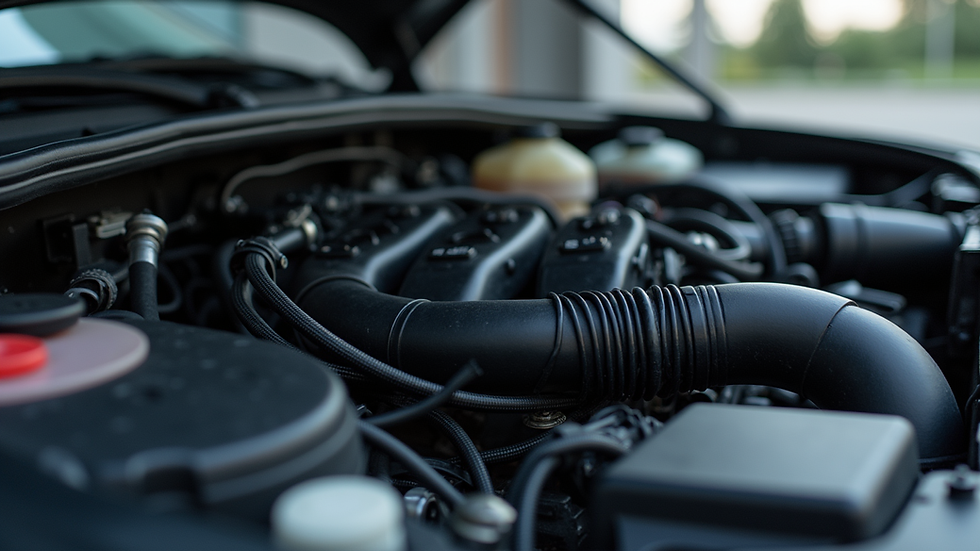
How to Prevent Rats in Car Engine: Practical Steps
Taking proactive measures can keep rats away from your car. Here are some effective strategies:
1. Keep the Area Clean and Clear
Rats are attracted to food and shelter. Remove any trash, food wrappers, or debris near where you park. Avoid leaving pet food or birdseed outside. Trim overgrown vegetation and clear clutter that can serve as hiding spots.
2. Use Physical Barriers
If you park your car outside, consider installing a wire mesh or metal barrier around the engine bay. This can prevent rodents from crawling inside. Make sure the barrier is secure and does not interfere with car operation.
3. Park in a Garage or Covered Area
Whenever possible, park your car in a garage or covered space. This reduces access for rats and other pests. If you do not have a garage, try to park in well-lit, open areas where rodents are less likely to hide.
4. Regularly Inspect Your Vehicle
Check under the hood frequently for signs of rats. Look for:
Chewed wires or insulation.
Droppings or nesting materials.
Unusual smells or noises.
Early detection allows you to take action before serious damage occurs.
5. Use Natural Deterrents
Certain smells repel rats. Placing these near your car engine can discourage them from entering. I will discuss this in more detail in the next section.
6. Consider Electronic Repellents
Ultrasonic devices emit high-frequency sounds that rodents dislike. These can be placed near your parking area. However, their effectiveness varies and they should be used alongside other methods.
What Smell Do Rats Hate Most?
Rats have a strong sense of smell and avoid certain odors. Using these scents can help keep them away from your car engine:
Peppermint oil: Soak cotton balls in peppermint oil and place them near the engine bay or parking area. Refresh regularly.
Ammonia: The strong smell of ammonia mimics predator urine. Use with caution and avoid direct contact with your car.
Cloves or clove oil: Rats dislike the pungent smell of cloves.
Mothballs: These contain naphthalene, which repels rodents. Use carefully, as mothballs can be toxic to pets and children.
Using natural smells is a safe and eco-friendly way to deter rats. Combine this with physical barriers and cleanliness for best results.

How to Get Rid of Rats in Car Engine: Additional Tips
If you already have rats in your car engine, you need to act quickly. Here are some steps to remove them safely:
Set traps: Use snap traps or live traps around the parking area. Avoid poison baits near your car to prevent secondary damage.
Use professional pest control: If the infestation is severe, contact a pest control service experienced in rodent removal.
Clean the engine bay: After removal, clean the area thoroughly to remove droppings and nesting materials.
Repair damage immediately: Fix any chewed wires or hoses to prevent further issues.
For detailed guidance on how to get rid of rats in car engine, consult trusted pest control resources or professionals.
Long-Term Prevention and Maintenance
Preventing rats from returning requires ongoing effort. Here are some maintenance tips:
Continue to keep the parking area clean and free of food sources.
Regularly inspect your car, especially after long periods of inactivity.
Replace natural deterrents like peppermint oil every few weeks.
Maintain physical barriers and check for any gaps or damage.
Consider scheduling periodic pest control inspections if you live in a high-risk area.
By staying vigilant, you can protect your car engine from rodent damage and avoid costly repairs.
Taking these steps will help you keep rats out of your car engine. Protecting your vehicle is essential for safety and reliability. With consistent effort, you can prevent damage and maintain your car in good condition.


Comments